
Beyond Entertainment: Exploring the Educational Value of Online Gaming
Uncover the educational value of online gaming. Discover how it goes beyond entertainment, fostering critical thinking, problem-solving, and learning in a fun and immersive way.
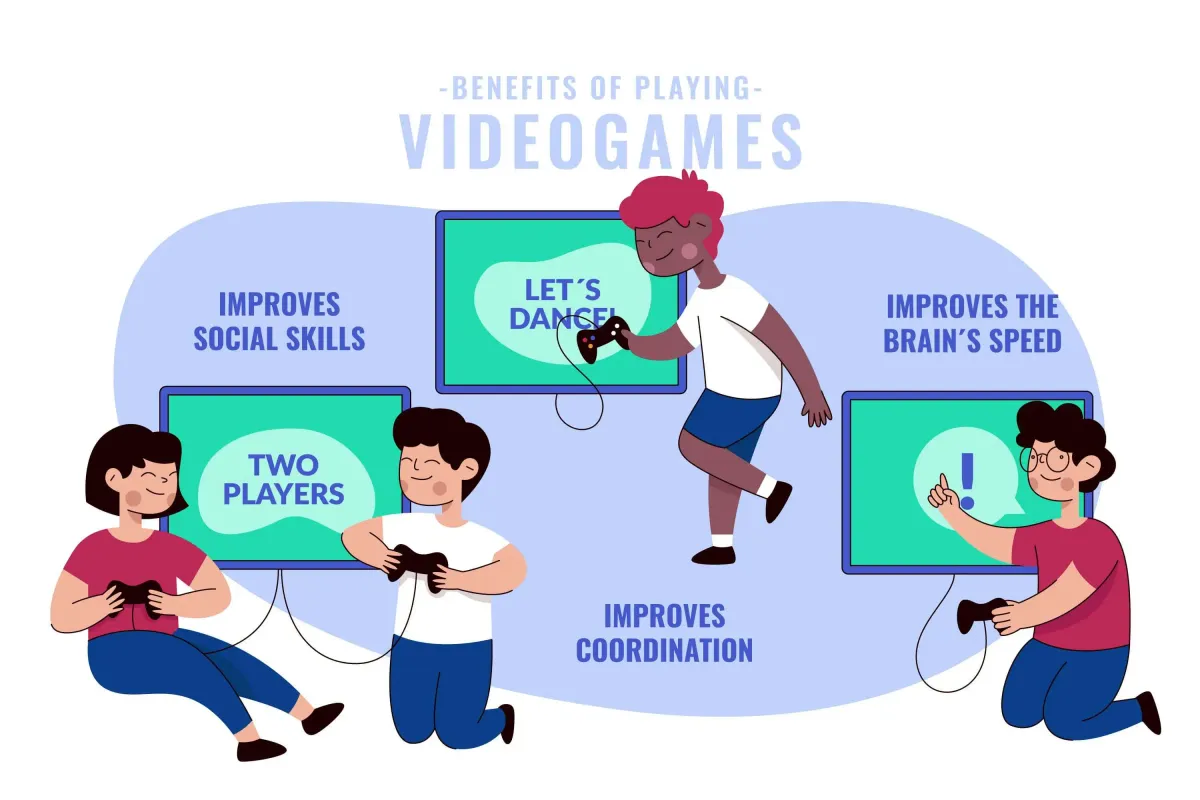
The world of gaming has witnessed a remarkable evolution over the years. What was once considered solely as a source of entertainment has now emerged as a powerful educational tool. Online gaming, in particular, has gained significant attention for its potential to go beyond mere entertainment and provide valuable educational benefits. In this blog post, we will delve into the educational value of online gaming and explore how it can contribute to learning, skill development, and cognitive growth.
Gamification in Education: The Power of Play
Gamification has become a buzzword in the field of education, and for good reason. It involves integrating game elements and mechanics into educational settings to enhance student engagement and motivation.
Definition and Concept of Gamification
Gamification can be defined as the application of game design principles and mechanics in non-game contexts. By incorporating elements such as challenges, rewards, and competition, educators can create a more interactive and engaging learning experience.
Benefits of Gamification in Education
Gamification offers numerous benefits in educational settings, including increased student motivation, enhanced learning outcomes, and the development of critical thinking skills. By making learning more enjoyable and immersive, students are more likely to be actively involved in the educational process.
Examples of Gamification in Education
Several examples demonstrate the successful implementation of gamification in education. Gamified learning platforms and applications, game-based assessments, and serious games designed for specific educational purposes have all shown promising results in terms of improving student engagement and knowledge retention.
Online Gaming and Cognitive Development
Online gaming has the potential to stimulate cognitive development in players, allowing them to enhance their cognitive skills while having fun.
Cognitive Skills Enhanced through Online Gaming
Problem-Solving and Critical Thinking Abilities
Many online games present players with complex problems and challenges that require them to think critically and develop effective strategies. By engaging in these virtual problem-solving scenarios, players can sharpen their analytical skills, logical reasoning, and decision-making abilities.
Memory and Information Retention
Online games often involve remembering and recalling information, such as rules, maps, and character abilities. This continuous exercise in memory helps improve players' capacity to retain and recall information, which can be beneficial in academic settings and everyday life.
Hand-Eye Coordination and Motor Skills
Fast-paced online games that require quick reflexes and precise movements can significantly improve players' hand-eye coordination and motor skills. These skills are not only valuable in gaming but also have real-world applications, such as in sports, driving, and other physical activities.
Online Gaming as a Learning Platform
Online gaming can serve as a unique learning platform that fosters a range of educational experiences and opportunities.
Language Learning and Communication Skills
Online gaming communities often bring together players from different parts of the world, facilitating language learning and cross-cultural communication. By interacting with players who speak different languages, individuals can improve their language skills, develop cultural sensitivity, and foster global connections.
Collaboration and Teamwork
Many online games require players to collaborate and work together in teams to achieve common goals. This collaborative aspect of gaming helps develop essential skills such as communication, teamwork, negotiation, and conflict resolution, which are crucial in various professional settings.
Simulations and Real-World Applications
Certain online games simulate real-world scenarios, providing players with opportunities to apply academic concepts in practical situations. For example, simulation games can help individuals understand economic principles, city planning, or historical events, making learning more tangible and experiential.
Online Gaming and Digital Literacy
Engaging with online games can enhance digital literacy skills, equipping individuals with the technological proficiency required in today's digital age.
Technology Proficiency and Digital Skills
Online gaming requires players to navigate complex user interfaces, adapt to new technologies, and troubleshoot technical issues. By actively engaging with these digital environments, players can develop technological proficiency, digital literacy, and problem-solving skills that are highly valued in the modern workforce.
Internet Safety and Responsible Online Behavior
As individuals immerse themselves in online gaming communities, they encounter various social interactions and digital environments. This provides an opportunity to learn about internet safety, responsible online behavior, and the importance of digital etiquette.
Creativity and Digital Content Creation
Many online games offer players the ability to create and share their content, such as custom game levels, mods, or artwork. This fosters creativity, encourages self-expression, and promotes digital content creation skills, which can be applied in various professional fields, such as graphic design, animation, and digital marketing.
Conclusion
Online gaming has emerged as a powerful educational tool, offering much more than entertainment value. The gamification of education, the cognitive benefits of online gaming, its potential as a learning platform, and its contribution to digital literacy highlight the educational value of online gaming. As educators and learners alike recognize the potential of online gaming, it becomes essential to explore and harness its educational benefits effectively. By embracing the educational value of online gaming, we can create engaging and immersive learning experiences that inspire students and prepare them for success in the digital age.